
Much More Than A Movie
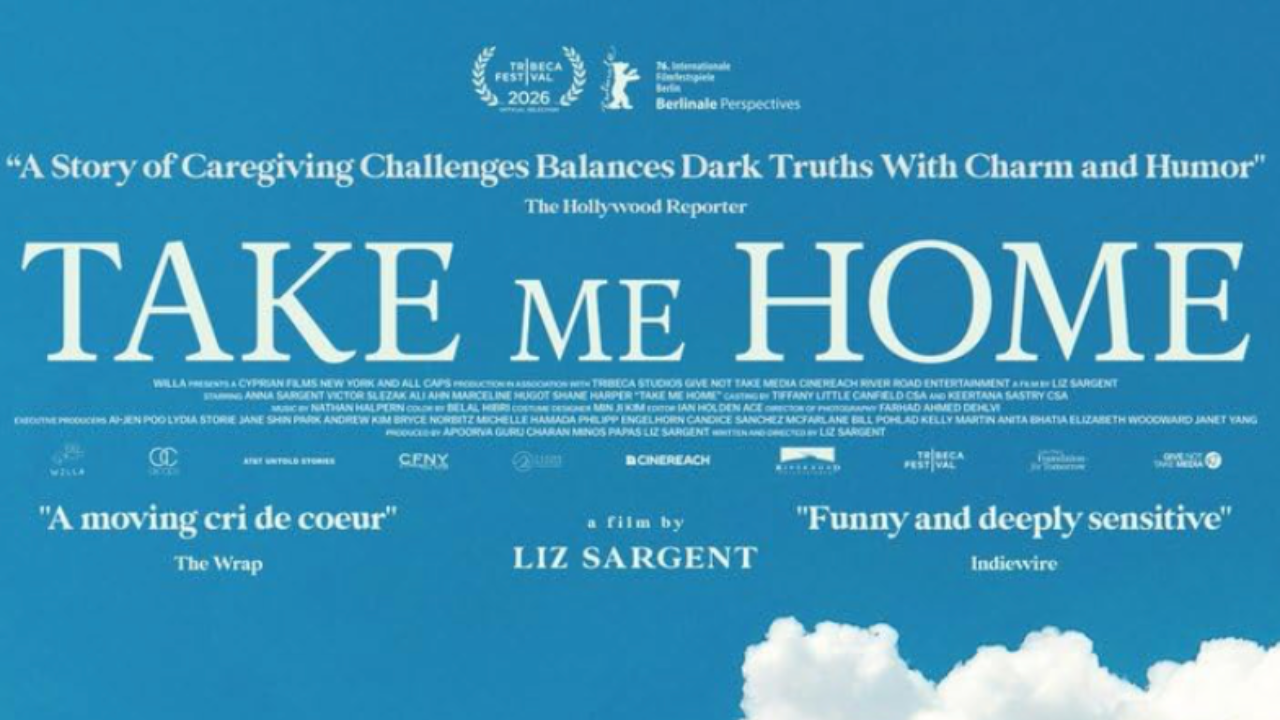
Take Me Home is a groundbreaking new film opening in select theaters across the U.S. today, with additional cities to follow. If you're the parent of someone with a disability, I'm not recommending that you go see it. The story it tells, with all its grief and heartbreak, is one you live—and perhaps also fear—every day.
What I want you to know about this incredible movie is that it can be a powerful tool for parents to engage, enlighten, and empower others. Written and directed by the sister of a young woman with cognitive disabilities, who also stars in the film, Take Me Home brings an intensely personal perspective to a story that will feel familiar to many families. I attended a screening and talk back last night in NYC, and I can't stop thinking about its power and usefulness.
Let me explain.

Too often, the experience of raising a child with a disability is lonely and isolating. We become experts at finding caregivers, fighting for services, and solving one crisis after another. And, sometimes unintentionally, we become isolated from people whose lives seem more "normal."
Take Me Home gives us an opportunity to let others see a piece of our reality—and then do something with their newfound understanding. We don't have to watch the movie with people in order for them to benefit from seeing it. From seeing us.
This film is beautiful, poignant, painful, and yet also hopeful. Most importantly, though, I believe it can be a tool to help us enlighten friends and family about what actually goes on in our worlds. To engage with policymakers who can change how government supports us. And to empower families to have hard conversations about the future.
So use it. Suggest it to a friend who wants to understand more about your life. Share it with someone who has asked, “How can I help?” And, if you know a policymaker or community leader who needs to better understand the terrifying realities of disability caregiving, invite them to watch it, too.
It can be a starting point for conversations about the supports our children need—not just to survive, but to have meaningful, connected and purposeful lives. Especially after we're gone.
That's why I hope you'll use Take Me Home, even if you can't actually watch it. (And trust me, it was hard to watch at times.)
Closer to home, I also hope the film encourages families to have brave conversations about the looming question: What happens when we can no longer care for our children?
I recognize how hard this is to think about, let alone discuss. But we need to talk with our children with disabilities, their siblings, our spouses and partners, extended family members, and trusted friends about questions like:
- What does a good life look like for our son or daughter?
- Who knows them well enough to advocate for them?
- Where do they want to live?
- What kind of work, relationships and community do they want?
- What will they need to make those things possible?
- What needs to change—in our communities and in public policy—to make those possibilities available to more people?
Through these discussions, we can begin preparing our families for a future in which our children are supported, valued and empowered, whether or not we’re the ones providing that support.
We can turn our individual experiences into collective advocacy and help policymakers understand that caregiving is not simply a private family matter—it is a societal responsibility.
And we can help well-intentioned friends and family members understand that "I'm fine" doesn't always mean that we are—and that they can help us simply by learning about our realities, even without us having to teach them.
If you're a parent who is wondering, Where do I even begin? I'd love to help. You can reach me through my website to schedule a free consultation about where you are, what you're thinking about, and how I might support you in this work.
We don't have to have all the answers. But we can start the conversation.
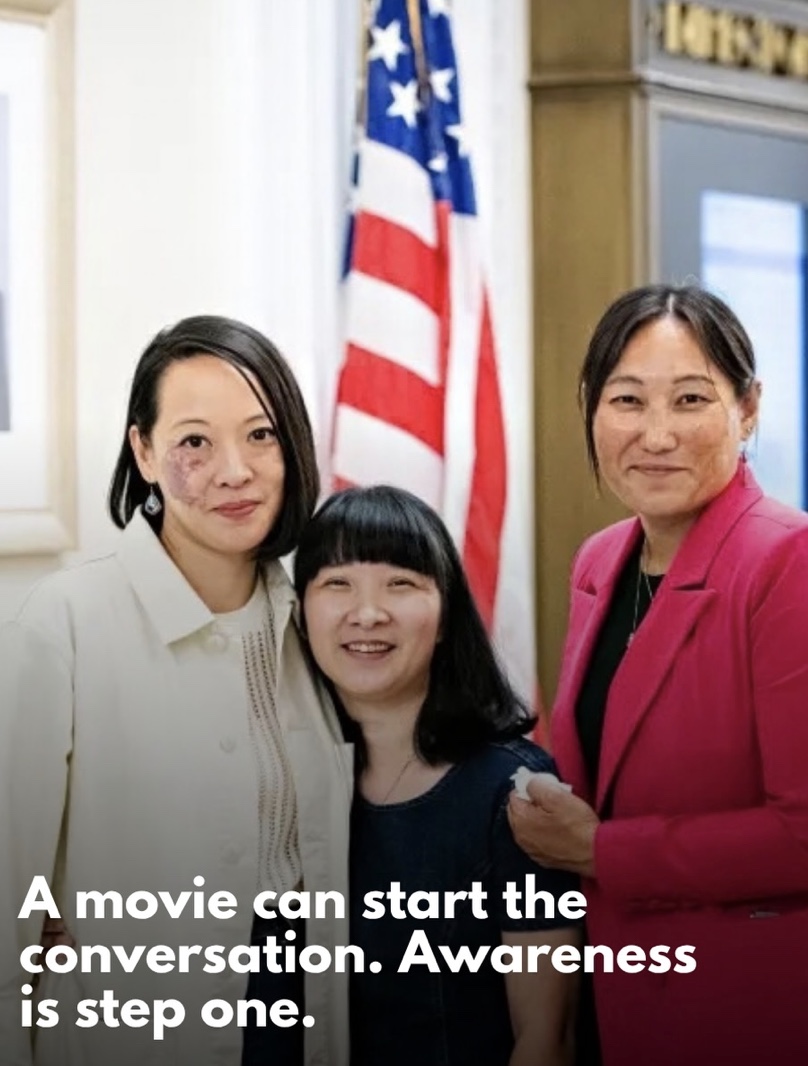
Interested in booking Kris to speak to your organization about resilience building?
Contact us for information about virtual and in-person opportunities,
outcomes, availability, fees and more.
Stay connected with news and updates!
Sign up below to receive our newsletter and updates.
We hate SPAM. We will never sell your information, for any reason.

